Calibra Script: A Strategic Asset for Deliberate Brand Communication
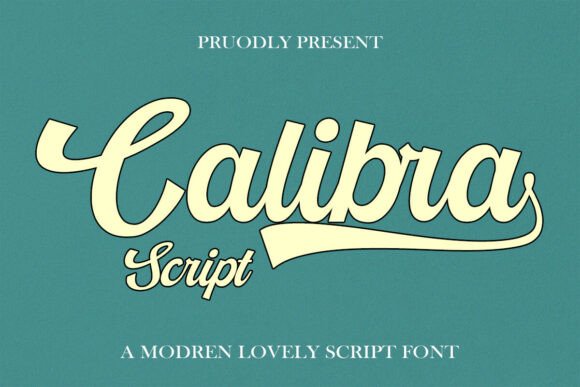
In the landscape of digital and print design, typography is rarely just about aesthetics; it is a functional tool that dictates how information is received, processed, and remembered. For professionals ranging from small business owners to seasoned marketers, selecting the right typeface is a critical decision that impacts user experience, brand positioning, and overall communication effectiveness. Calibra Script emerges as a sophisticated choice within this domain, offering a delicate handwritten aesthetic that bridges the gap between formal structure and personal expression.
This font is not merely a decorative element to be applied indiscriminately. Rather, when integrated with clear intent, Calibra Script serves as a strategic instrument capable of enhancing invitations, defining food product identities, crafting compelling titles, and elevating the perceived value of written correspondence. Understanding the nuanced capabilities of this typeface allows practitioners to move beyond generic design trends and toward intentional visual storytelling that resonates with their specific audience.
The Strategic Value of Handwritten Typography in Professional Contexts
Why does a designer or entrepreneur choose a script font like Calibra Script over standard sans-serif or serif options? The answer lies in the psychological impact of human-like strokes. In an era dominated by algorithmic content and rigid grid systems, a font that mimics the fluidity of human handwriting introduces a layer of authenticity. This authenticity is a currency that modern consumers actively seek.
For entrepreneurs launching a new venture, the initial impression is often formed before a single word of copy is read. The font acts as the first non-verbal cue. Calibra Script, with its careful craftsmanship, signals attention to detail and a commitment to quality. It suggests that the creator has taken time to curate the experience, distinguishing the brand from competitors who rely on mass-produced, impersonal templates.
- Human Connection: It fosters a sense of intimacy, making the reader feel addressed personally rather than broadcasted to.
- Perceived Exclusivity: The delicate nature of the script implies a bespoke service or product, suitable for high-end offerings.
- Emotional Resonance: Unlike geometric fonts that convey logic and efficiency, Calibra Script conveys warmth, creativity, and emotion.
However, this power comes with responsibility. The decision to use Calibra Script must be grounded in a clear understanding of the target demographic and the desired outcome. For a tech startup focused on speed and scalability, this font might dilute the message of innovation. Conversely, for a boutique bakery, a wedding planner, or a lifestyle blogger, it aligns perfectly with the narrative of care and craftsmanship.
Defining Goals Before Designing
Before opening a design software, professionals should articulate the primary goal of the project. Is the objective to drive immediate sales through clarity, or to build long-term brand loyalty through emotional connection? If the latter, Calibra Script can be a vital component of the strategy. It supports goals related to community building and customer retention by softening the corporate edge and inviting engagement.
Consider the scenario of a food product launch. The packaging is the physical manifestation of the brand's promise. Using Calibra Script for the product name or tagline can evoke the feeling of a homemade recipe or artisanal production. This subtle shift in typography can influence purchasing decisions, leading customers to perceive the product as fresher, more organic, and higher quality than those packaged with standard block letters. The font becomes part of the product's value proposition, directly supporting the business goal of premium positioning.
Operationalizing Calibra Script for Planning and Positioning
Strategic implementation extends beyond the final visual output; it influences planning and operational workflows. When integrating Calibra Script into a broader branding strategy, consistency is paramount. The font should not appear sporadically but should be woven into the fabric of the brand identity across various touchpoints.
For educators and content creators, this approach ensures that learning materials or blog posts maintain a cohesive voice. A course syllabus or a digital invitation designed with Calibra Script sets a tone of professionalism mixed with approachability. It tells the participant that while the content is rigorous, the environment is welcoming. This duality is essential for fostering an engaged learning community.
- Consistency in Voice: Ensure the weight and style of Calibra Script remain consistent across all media, from social media graphics to printed brochures.
- Hierarchy Management: Use the script to highlight key elements, such as headlines or call-to-action buttons, rather than using it for body text where legibility is compromised.
- Contextual Alignment: Verify that the font's personality matches the medium. A delicate script may work beautifully on a luxury invitation but could look out of place on a heavy-duty industrial safety manual.
By treating typography as a strategic asset rather than an afterthought, organizations can streamline their creative processes. Decision-makers can rely on established guidelines that dictate when Calibra Script is appropriate, reducing the time spent on subjective debates about design choices. This leads to more efficient operations and a faster path to market.
Creative Applications Across Industries
The versatility of Calibra Script makes it applicable to a wide array of sectors, provided the application is thoughtful. In the realm of hospitality and events, it is indispensable. Wedding invitations, event programs, and menu cards benefit immensely from the elegance of this font. It transforms standard documents into keepsakes, enhancing the customer experience and encouraging guests to share their experiences on social platforms.
For freelancers and agency owners, the font serves as a powerful tool for differentiation. When pitching a proposal or presenting a portfolio, the inclusion of Calibra Script in headers or signature lines can leave a lasting impression. It demonstrates a flair for design without overwhelming the core message. This balance is crucial for maintaining professional credibility while showcasing creative capability.
Similarly, in the publishing world, authors and publishers utilize such fonts to create distinctive covers or chapter headings. A book title rendered in Calibra Script can instantly communicate genre expectations, whether it be a romance novel, a cookbook, or a memoir. This immediate visual categorization helps readers make quick decisions, aligning with the need for efficient information processing in a crowded marketplace.
Risks of Misalignment and Mitigation Strategies
No design tool is without risk, and Calibra Script is no exception. The most common pitfall is the misuse of the font due to a lack of strategic context. Overusing a delicate script can lead to visual clutter, reduced readability, and a perception of amateurism. When every element of a design is styled in a flowing hand, the eye loses its anchor, and the message becomes difficult to parse.
Another significant risk is the potential for the font to clash with the intended brand values. If a company prides itself on data-driven precision, engineering excellence, or minimalism, introducing a romantic, flowing script can create cognitive dissonance. Customers may become confused about what the brand stands for, weakening the overall positioning. To avoid this, professionals must conduct a thorough audit of their brand pillars before adopting Calibra Script.
Mitigating these risks requires a disciplined approach. One effective strategy is pairing Calibra Script with a robust, highly legible sans-serif font. This combination leverages the emotional appeal of the script while maintaining the structural integrity needed for complex information. The sans-serif provides the backbone of the layout, ensuring that the essential details—dates, prices, instructions—are communicated clearly, while the script adds the finishing touches that elevate the design.
Furthermore, testing is essential. Before committing to a full rebrand or large-scale print run, preview the font in its intended context. How does it look on a mobile screen? Does it hold up in black and white? These practical checks ensure that the aesthetic choice does not compromise functionality.
Long-Term Impact on Brand Equity and Customer Experience
The ultimate measure of a design decision is its longevity. Fonts chosen today will shape the brand's image for years to come. Calibra Script, with its timeless yet unique character, offers the potential for enduring relevance. Unlike fleeting trends that may date a brand quickly, a well-executed script font can become synonymous with the brand's identity.
When used intentionally, this font contributes to a superior customer experience. It reduces friction by guiding the user's attention to what matters most and creating a pleasant, memorable interaction. In the competitive landscape of 2024 and beyond, where consumers are bombarded with content, brands that offer a distinct and coherent visual language stand a better chance of retaining attention and driving conversion.
For decision-makers, the investment in a high-quality font like Calibra Script is an investment in the brand's future. It signals a commitment to excellence and a desire to connect with customers on a deeper level. By moving away from random selection and toward strategic integration, professionals can harness the full potential of this delicate handwritten typeface to achieve better results, foster stronger relationships, and secure a lasting place in the market.
Ultimately, the success of Calibra Script lies not in the font itself, but in the wisdom of its application. It is a tool for those who understand that design is a language, and that choosing the right words—or in this case, the right letters—is the key to unlocking meaningful communication.